Blog ·
Why Handcrafted Furniture Lasts Generations
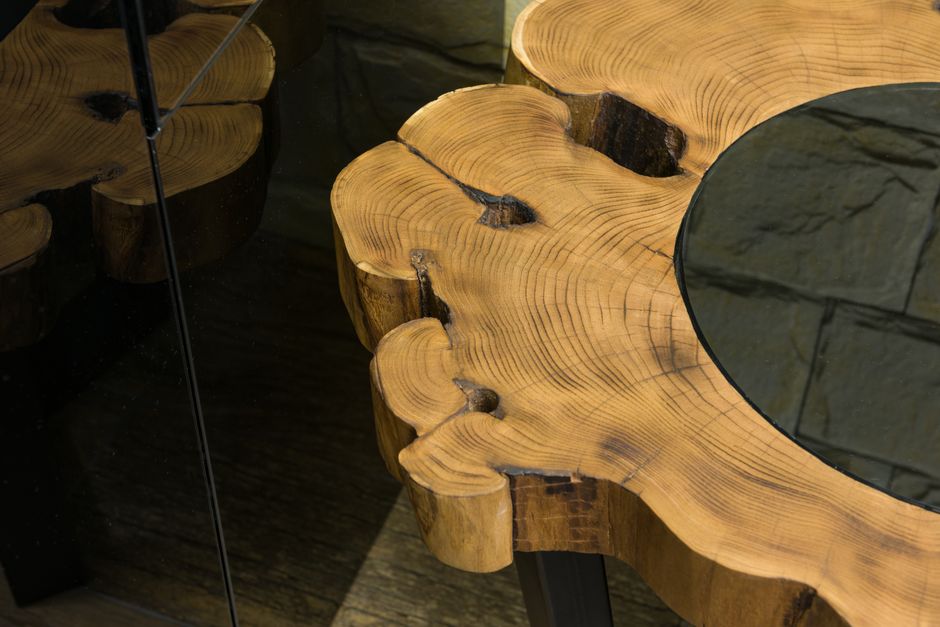
In a world of disposable goods, handcrafted furniture stands apart. A well-made custom piece can outlive the person who commissioned it, passing through generations while maintaining its beauty and function. This longevity isn't accidental—it's built in from the beginning.
Superior Materials and Construction
Custom furniture makers select materials with decades of use in mind, not just the next few years. They understand wood movement, grain direction, and structural integrity in ways that industrial manufacturing cannot replicate. Hand-joinery techniques like mortise-and-tenon joints create connections stronger than nails or staples ever could.
When you commission a piece, your maker chooses wood or materials appropriate for your climate and intended use. They consider humidity fluctuations, temperature changes, and the actual stresses the piece will experience. This thoughtfulness means fewer cracks, warping, or structural failures down the road.
Quality Hardware and Finishing
Hinges, drawer slides, and other hardware receive careful attention in bespoke furniture. Rather than budget options that wear out quickly, custom makers invest in substantial hardware that functions smoothly for decades. Finishes are applied in multiple layers and often hand-sanded between coats, creating surfaces that resist damage and age beautifully.
Repairability and Evolution
Unlike mass-produced furniture, handcrafted pieces are repairable. A worn corner can be reshaped. A damaged finish can be restored. Upholstery can be replaced. Your furniture maker often keeps notes about construction methods, finishes used, and specifications, making future repairs seamless.
This repairability means your bespoke furniture can evolve with you. That sofa can be reupholstered in new fabric when your taste changes or the original wears. A table's finish can be refreshed. The structural core remains sound indefinitely.
The Economic Sense
While handcrafted furniture requires greater initial investment than mass-produced alternatives, the cost-per-year of ownership favors bespoke pieces significantly. When you calculate the true expense of replacing budget furniture every five to ten years versus maintaining one quality piece indefinitely, bespoke craftsmanship becomes economically sensible.
Beyond mathematics, there's value in owning something made specifically for you, by skilled hands, with intention and care. These pieces become part of your home's character and your family's history, acquiring patina and personality that no factory can manufacture. That lasting quality is priceless.